Arqueología y Territorio Medieval 33, 2026. e9703. I.S.S.N.: 1134-3184 DOI: 10.17561/aytm.v32.9703
Concealed Roles. An Osteoarchaeological Reading on Nourishment, Health and Caregiving in a Peasant Community in the Sharq al-Andalus1
Roles ocultados. Una lectura osteoarqueológica sobre nutrición, salud y cuidados en una comunidad campesina del Šarq al-Andalus
Joan Negre2, Sheyla Sancho3, Marcos García4
Recibido: 25/05/2025
Aprobado: 05/03/2026
Publicado: 08/05/2026
Abstract
The Andalusi farmstead (alquería) of Xaresa (Xeresa, Valencia) is one of the most thoroughly excavated rural sites of the period. These works have revealed several houses, a small pottery workshop, a water wheel and a maqbara (cemetery) with around 200 inhumations. An initial study of this burial site has recently been undertaken based on a random sample of 35 skeletons, which allowed a complete bioanthropological study and several genetic and isotopic profiles of this community. Thanks to these approaches, it is now possible to present a detailed health assessment of this peasant community by studying the skeletal remains from the site. The objective is twofold. On the one hand, to analyse various factors relevant to understanding the well-being of these people; these include their demographic profile, their diseases and pathologies, the markers of occupational stress or the quality of their diet, among others. On the other hand, to study the gender and age roles in the division of labour in this community, as well as the importance of maintenance activities for the success of this rural settlement, which remained populated from the second half of the 10th century until the Christian conquest, in 1239.
Keywords: maqbara, inhumation, gender roles, osteoarchaeology, isotopes.
Resumen
La alquería andalusí de Xaresa (Xeresa, Valencia) es uno de los yacimientos rurales más intensamente excavados de este período. Estos trabajos han puesto al descubierto varias casas, un pequeño alfar, una noria y una maqbara (cementerio) con alrededor de 200 inhumaciones. Recientemente se ha llevado a cabo un estudio inicial de este espacio funerario a partir de una muestra aleatoria de 35 esqueletos, lo que ha permitido realizar un análisis bioantropológico completo y obtener varios perfiles genéticos e isotópicos de esta comunidad. Gracias a estos enfoques, ahora es posible presentar una evaluación detallada de la salud de esta comunidad campesina mediante el estudio de los restos óseos del yacimiento. El objetivo es doble. Por un lado, analizar diversos factores relevantes para comprender el bienestar de estas personas, entre los que se incluyen su perfil demográfico, sus enfermedades y patologías, los marcadores de estrés ocupacional o la calidad de su dieta, entre otros. Por otro lado, estudiar los roles de género y edad en la división del trabajo en esta comunidad, así como la importancia de las actividades de mantenimiento para el éxito de este asentamiento rural, que permaneció poblado desde la segunda mitad del siglo X hasta la conquista cristiana, en 1239.
Palabras clave: maqbara, inhumación, roles de género, osteoarqueología, isótopos.
Women’s Labour, Maintenance Activities and Health Care in Al-Andalus
Abundant documentary references allow us to affirm what might appear to be an evident fact: in al-Andalus, women’s labour was closely linked to the sphere of care, which was primarily—though not exclusively—exercised within the domestic domain. One of the most explicit testimonies supporting this gendered division of labour is found in Ibn Rušd’s (Averroes, d. 1198) critique of his society, in which women “are only used for procreation, thus destined to serve their husbands and relegated to the task of bearing, educating, and raising children” (CRUZ, 1998: 57–59). Similar conclusions were reached by Manuela Marín (1999) and Bárbara Boloix (2023), based on their analysis of the Tuḥfat al-mugtarib, written by Aḥmad al-Qaštālī in the thirteenth century, which recounts the deeds and miracles of the saint Abū Marwān (BOLOIX, 2010). According to both authors, the association established in this text between women’s labour and food provision reflects the fundamental role that women played within the domestic sphere, where they “manage the provisioning and reproduction of the family” (MARÍN, 1999: 36), responsibilities that rendered them “the pillars of their households and families, and the driving forces behind their functioning” (BOLOIX, 2023: 483).
This sexual division of labour—frequently documented in many cultures (e.g., MURDOCK, PROVOST, 1973)—manifests itself in the association of women with a form of work that is essential but has remained largely underexplored in historical and archaeological research on the Iberian Middle Ages (GARCÍA-GARCÍA, 2025a, 2025b). This refers to the physical and emotional labour without which life itself would not be possible, framed within the broader domain of domestic and care work (ROSE, 1987; PICCHIO, 1992), and conceptualised in archaeological literature under the term “maintenance activities”. This analytical tool encompasses the network of everyday social and symbolic practices rooted in care and attention for others, imbued with interdependence, empathy, cooperation, affectivity, and emotional support (GONZÁLEZ-MARCÉN et alii, 2008; MONTÓN, 2023; COLOMER et alii, 2024). These activities include the daily processing and preparation of food, child-rearing and early education, care of the elderly, textile production for domestic use, basic health care, and the upkeep of household spaces.
As Sandra Montón (2023, 2025), one of the field’s leading scholars, has recently noted, the defining characteristic of maintenance activities does not lie in the nature of the tasks or their outcomes, but rather in the context of sustained interpersonal relationships in which they take place and the emotional ties between those who perform the work and those who benefit from it. The affective and relational dimensions of care practices—of which maintenance activities are an integral part—are thus inseparable from the processes of social reproduction, understood as the ensemble of “activities and attitudes, behaviours and emotions, responsibilities and relationships directly involved in the maintenance of life on a daily basis, and intergenerationally” (LASLETT, BRENNER, 1989: 382).
Maintenance activities, therefore, refer to non-specialised tasks associated with recurrence (rather than change) and typically carried out within the domestic sphere. As Almudena Hernando (2005) has argued, these activities do not align with the values traditionally privileged by historiography: progressive specialisation, linear accumulation of change, and increased material control over nature. Instead, they embody opposing values centred on the care and reproduction of the group, values that explain (rather than the gender of their practitioners) why this realm of human experience has historically received so little attention. Highlighting the historical significance of maintenance activities and the central role that women have played in their development serves, therefore, to address the silences—or, as Montón (2023) more accurately suggests following Trouillot (2017), the silencings—in dominant historical narratives regarding women’s labour, care work, and the emotional networks they sustained. Writing the history of women’s everyday practices in al-Andalus thus allows us to reposition them as active agents in historical dynamics, dignifying their labour as a cornerstone in the creation and reproduction of life itself.
In the specific case of al-Andalus, as in medieval Christian and Jewish societies, women played a central role in domestic health care and in the care of the sick. As Montserrat Cabré (2008) has noted, premodern health care systems cannot be fully understood without considering women’s practices, which, although often rendered invisible in written sources, were fundamental to the health of the community. Indeed, the medieval health care system was largely sustained by the activities performed by women (CABRÉ, 2005; GREEN, 1989), with the household acting as the primary locus of the medieval provision of healthcare (CABRÉ, 2008: 25). In practical terms, women provided and administered the care necessary to preserve—and, when needed, restore— health as part of their daily domestic responsibilities. They were the primary caregivers in the home, tasked with preparing and administering home remedies, assisting in childbirth, tending to the injured and chronically ill or disabled, caring for the children and the elderly, and managing hygiene and nutrition (CABALLERO, 2023). Thus, in medieval societies, women had a considerable degree of agency in the transmission and application of medical knowledge, particularly concerning reproductive health and the treatment of common ailments through herbal remedies or empirical traditions (GREEN, 1989). Written sources—albeit obliquely—also reveal the importance of interpersonal and often kin-based networks through which medical knowledge and practices were transmitted across generations (CABALLERO, 2008, 2023; CABRÉ, 2008).
In sum, the available evidence allows us to firmly conclude that the labour involved in health maintenance and care work rested predominantly on the shoulders of women. These reflections—requiring further exploration through the largely understudied archaeological record of maintenance activities in al-Andalus—serve to make visible a domain of female agency that, though not institutionally recognised, was essential to the population’s everyday health and embedded within a broader care economy vital to sustaining life.
In this paper, an attempt will be made to contrast this theoretical framework against the osteoarchaeological analysis of a specific peasant community in Sharq al-Andalus. The objective is to ascertain the viability of identifying substantial disparities between sexes within this sample, with a view to determining the performance of segregated activities. Further indications that facilitate the identification of complementary work within the agricultural, livestock or craft production cycle are also of interest. This includes specific tasks related to the maintenance and reproduction of the group, such as food processing or the care of people with limited abilities, including children, the elderly and the seriously injured. In conclusion, the objective of this study is twofold: firstly, to analyse the possibility of identifying this type of activity in the bioanthropological record; and secondly, to build bridges towards a necessary change in the perception of these activities as fundamental to the survival of peasant groups in al-Andalus. Key aspects such as nutrition, health, and family and group care are particularly relevant for sketching a picture of these types of communities, where osteoarchaeological records may be one of the most accurate ways to access this knowledge.
The Andalusi Farmstead of Xaresa
The archaeological site of Xaresa, located in the municipality of Xeresa (Valencia), is an important Andalusi enclave (Figure 1), under the jurisdiction of ḥiṣn Bayrān (Gandía), that has revealed crucial information about the organisation and life in an Islamic farmstead in Sharq al-Andalus (NEGRE et alii, 2023, 2024). Its discovery and study are linked to the implementation of preventive archaeological measures that were taken following the reclassification of this land for industrial use during the first decade of the 21st century.
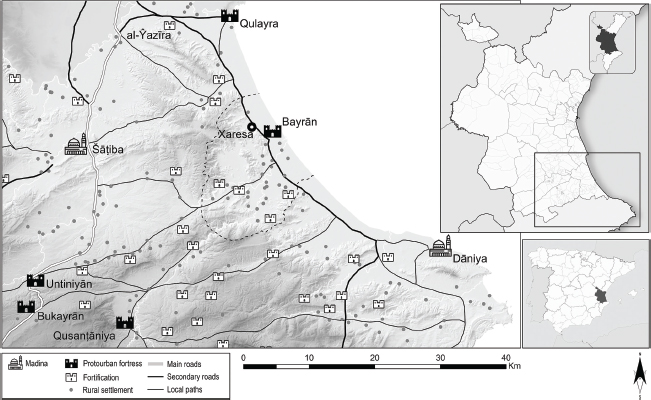
Figure 1. Context map of the farmstead of Xaresa (Xeresa, Valencia), within the territorial boundaries of the ḥiṣn Bayrān (dashed line) and in relation to the main nearby medinas and fortresses.
The initial observations of the site were documented by Pasqual Costa in 2001 and subsequently by Emili Moscardó in 2004, who cautioned about the potential for the archaeological remains to be destroyed due to the construction work. Subsequent work identified significant structures, including an Andalusi waterwheel, thus prompting a series of intensive archaeological studies, which are ongoing under the supervision of the Gandia Museum of Archaeology (ALAPONT, 2004; MOSCARDÓ, 2008; PÉREZ, 2010).
This work has facilitated the identification of various structures that reflect the character of the Andalusi farmstead. The proposed development comprises a minimum of two housing units, constructed from attached modules and arranged around central courtyards. Documentation of other edifices associated with craft activities has also been recorded, including a pottery workshop, evidenced by the presence of kilns, refuse deposits and fragments of potter’s wheels. In addition, a maqbara or Islamic cemetery containing 150 tombs and nearly 200 individuals has been unearthed (Figure 2).
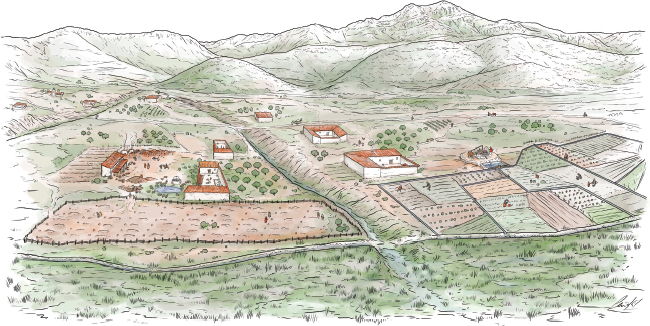
Figure 2. Illustrated virtual representation of the farmstead of Xaresa (Xeresa, Valencia) based on the results of archaeological interventions carried out (Iñaki Diéguez, Joan Negre).
The analysis of the archaeological materials recovered has enabled the establishment of an initial chronology of the settlement in the late Caliphate period (second half of the 10th century), with ceramic productions from Dénia serving as evidence. These initial hypotheses have recently been confirmed by a series of radiocarbon dates, indicating that the settlement remained occupied into the first half of the 13th century, with a possible hiatus at the beginning of the 11th century, probably linked to the fītna. A particularly significant find is an Almoravid dinar of Yūsuf b. Tāšfīn, dated 1105–1106, which is the first known coin of this emir in the Valencia region (DOMÉNECH et alii, 2023).
The historical identification of the site is based on written sources, particularly the annotations in the Llibre del Repartiment de València5 of 1249, which mentions the granting of land in Xaresa and Xeresa (FERRANDO, 1979: 182, 210). The existence of two distinct farmstead is indicated by the references, although it is possible that these were once a single scattered settlement prior to the feudal conquest.
The maqbara
The excavation of the maqbara of Xaresa was conducted during the second phase of intervention on this plot for urban development, between 2009 and 2010, constituting part of an area of approximately 5,000 m2. In the absence of an implementation plan for the building project, the intervention was executed in its totality across the entire site until the archaeological strata were depleted and the geological sterile level was verified (Figure 3). The mean archaeological depth of this space was determined to be approximately 50 centimetres, with indications of ploughing activities undertaken in these fields until the close of the 20th century being discernible at the uppermost level. The topsoil was found to be composed of a layer of gravel measuring between 70 and 90 centimetres in thickness. This gravel layer was identified because of the re-parcelling process undertaken in order to restore the agricultural property. The removal of this layer of gravel was found to be feasible using mechanical means, with minimal occurrence of complications.
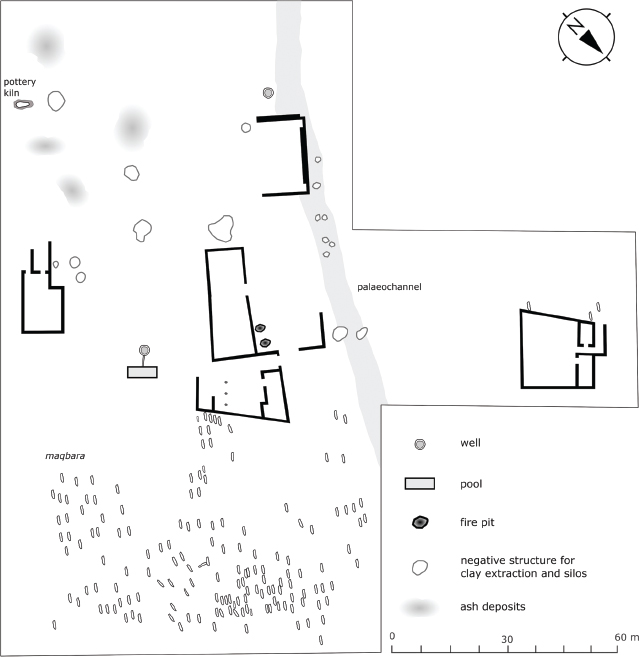
Figure 3. Plan of archaeological structures excavated during interventions at the Xaresa archaeological site (La Servana Industrial Park, Xeresa, Valencia).
The historical clearance of land, predominantly for the purposes of wine and citrus production, has resulted in the uneven disturbance of the archaeological structures at the site. The built-up areas have been more significantly affected than the burial area. The latter, which is in an acceptable state of preservation, is covered by a slightly disturbed layer of abandonment, where some fragments of human bones were found together with needle cuttings linked to the presence of shrouds in the burials. The graves are of a simple nature, consisting of pits dug directly into the geological substrate. No examples of slabs being used to mark the burial site are present. It is evident that these graves are typically unmarked, although in a few documented cases, the utilisation of curved tiles affixed to the ground has been observed for the purpose of protecting the burial site.
In the study of the population of the Xaresa cemetery, comprising around 200 individuals, stable isotope analyses of carbon (δ13C) and nitrogen (δ15N) were carried out on bone collagen from 33 human remains and five domestic herbivores. These analyses, performed in the BioArCh Lab of the University of York, enabled the characterisation of the diet of the population and its protein sources.
The results obtained from the analysis revealed the presence of two distinct dietary patterns: the first of these was based principally on the consumption of C3 plants (e.g. wheat and barley) with minor contributions from C4 plants (e.g. millets); the second pattern combined C3 and C4 plants in similar proportions. The animals analysed had been fed exclusively on a C3-based diet, indicating that C4 signal observed in human collagen must have resulted from the direct intake of C4 plants, rather than secondary consumption via livestock. Regarding the analysis of animal proteins, the δ15N values exhibited a homogeneous distribution within the population, thereby suggesting that there was a similar access to this particular type of resource. However, the analysis also revealed individual differences that could be related to product quality and culinary preparation methods (NEGRE et alii, 2024: 283-288).
The data obtained from this study do not provide any indication of a significant contribution of marine products to the diet of the population under investigation. However, the possibility of occasional consumption of low-trophic fish, characteristic of the Mediterranean region, cannot be ruled out.
Osteobiographical Profile
The objective of the bioanthropological study is to establish a general osteobiographical profile of the population, whilst exploring differences between the sexes in aspects such as height, activity markers, the presence of degenerative pathologies and oral health.
The osteological analysis is employed to deduce social aspects of rural communities from the skeletal remains of their inhabitants. In this context, particular emphasis is placed on the role of women, not only in terms of their biological characteristics, but also as active participants in society. The objective is to evaluate whether their engagement in daily and productive activities aligns with the traditional role assigned to them, or whether, conversely, they actually undertake a broader and more diverse range of functions than has been historically assumed.
Materials and methods
The present study was conducted on a sample of 35 individuals from a total of near 200 who were excavated. The remains were preserved individually, and the material was recovered in its primary position from simple burial graves. The analysis was conducted in accordance with the established protocols of biological anthropology and bioarchaeology. The assessment encompassed a range of metrics, including the evaluation of the state of preservation, the determination of sex, estimation of age and height, observation of anatomical variants, analysis of occupational stress markers, and identification of pathologies.
The evaluation of the preservation of the recovered skeletons was conducted utilising the quantification system based on the preservation index developed by Walker et alii (1988) and subsequently adapted by Safont et alii (1999). The methodology employed in this study involves the analysis of three distinct levels, contingent upon the anatomical group under evaluation. Each index is intended to reflect the percentage of bone elements preserved in relation to the total expected in the corresponding anatomical region, without considering their structural state or level of fragmentation. The formula applied enables the calculation of a percentage value that expresses the proportion of identifiable bones in relation to the complete set. Concurrently, the state of preservation of the remains has been documented from a qualitative perspective, with the objective of evaluating the degree of alteration or deterioration of the bone elements. This additional information serves to complement the quantification expressed by the preservation indices.
The biological sex was estimated exclusively in adult individuals and in one case of a juvenile individual, given that in subadult subjects the lack of sufficiently developed sexual dimorphism prevents a reliable diagnosis from being made. The determination was based on established morphological criteria, primarily from observation of the coxal bone and skull, following the methodological proposals of Phenice (1969) and Buikstra and Ubelaker (1994). Where necessary, and where conservation conditions allowed, metric data from the postcranial skeleton were also considered. The subjects have been classified into the following categories: female, probably female, allophysis, probably male, male or undetermined. The latter category has been applied to both subadult individuals and cases in which the degree of preservation has prevented a reliable assessment of sex in adults.
The estimation of age was conducted employing diverse methodologies, contingent upon the developmental stage of the individual, thereby distinguishing between subadults and adults. In the case of subadult individuals, various indicators of maturation were considered, such as the state of development and tooth eruption (UBELAKER, 1989; ALQAHTANI et alii, 2010), the degree of epiphyseal fusion and the length of long bones (SCHEUER, BLACK, 2000; SCHAEFER et alii, 2009). In the case of adult subjects, the age was determined primarily on the basis of observable morphological changes in the pubic symphysis and the auricular surface of the ilium (BROOKS, SUCHEY, 1990; LOVEJOY et alii, 1985), as well as structural modifications of the sternal end of the ribs (İŞCAN et alii, 1984; KROGMAN, İŞCAN, 1986). Furthermore, the pattern of tooth wear (BROTHWELL, 1981) and the degree of synostosis of the cranial sutures (MASSET, 1982) have been taken into account. Individuals have been classified into the following age ranges (excluding perinatal and infant individuals due to their absence from the sample): infant I (1–6 years), infant II (7–14 years), juvenile (15–19 years), young adult (20–29 years), adult (30–44 years), mature adult (45–59 years) and older adult (≥60 years). In instances where precise age estimation was not feasible within these specified ranges, the age category designated as ‘adult indeterminate’ was allocated.
For the morphometric analysis, common osteometric measurements were recorded (MARTIN, SALLER, 1957; KROGMAN, İŞCAN, 1986; OLIVIER 1960). These measurements enabled the calculation of various skeletal indices and the estimation of the height of the individuals, provided the state of preservation permitted such calculations. Nevertheless, the prevailing conditions of sample preservation imposed considerable constraints on the applicability of these methodologies.
The estimation of height is of significance in the analysis of sexual dimorphism and can also serve as an indicator of health and stress conditions during the growth and development of the population. The calculation was performed by applying regression equations to long bones, primarily the femur, and, in instances where this was not feasible, to the humerus or tibia. The formulas proposed by Pearson (1899) and Mendonça (2000) were utilised, as they are more appropriate for populations in the Iberian Peninsula.
Entheseals changes were analysed to infer patterns of activity, potential sex-related differences, and aspects of the lifestyle of past populations. These changes are morphological alterations occurring at the sites of tendon, ligament, muscle, or joint capsule attachment (entheses), resulting from adaptations of the musculoskeletal system to repetitive or load-bearing stress over time (HENDERSON, 2009; JURMAIN et alii, 2012). These bone modifications are considered reliable indicators of frequent physical activity and allow for the reconstruction of behavioural patterns and the distribution of tasks according to age and sex (CAPASSO et alii, 1999; VILLOTTE et alii, 2010).
The pathological analysis was based on a macroscopic evaluation of the bone material, which allowed the identification of various alterations recorded as manifestations of oral, osteoarticular, congenital, metabolic and traumatic pathologies (CAMPILLO, 1993, 1994, 2001; WALDRON, 2009, BARNES, 1994, 2012). In the context of oral pathology, lesions such as caries, antemortem tooth loss, periodontal disease, calculus, abscesses and linear enamel hypoplasia (LEH) were documented (HILLSON, 2019).
In the osteoarticular field, both inflammatory and degenerative processes were evaluated, with a high incidence of spinal involvement. These include the presence of osteophytic ridges, alterations in the surfaces of the vertebral bodies, signs of osteoarthritis in the facet joints of the posterior arches, and the appearance of Schmorl’s nodes or posterior disc herniations (CAMPILLO, 1993). Degenerative changes were also identified in other joints, including the temporomandibular joint, the shoulder girdle, the upper and lower limbs, and the bones of the hand.
With regard to metabolic disorders, cases of cribra orbitalia and porotic hyperostosis were documented. Congenital anomalies primarily manifested as spina bifida and vertebral fusion defects. Finally, traumatic injuries were documented, all of which were interpreted as ante mortem, implying that healing processes occurred during life. A particular emphasis was placed on the analysis of the distribution of these alterations by sex, age and anatomical location, with the objective of identifying potential differential patterns.
Results
The material studied has an average preservation index of 82.35 %, with no significant differences between adults and subadults. The average was obtained from the IP3, the most representative index proposed by Walker (1988) and Safont (1999). Although overall preservation index is high, the condition of bones in most individuals is poor, showing significant fragmentation and surface damage, which has seriously limited the study.
Palaeodemography
Sex determination was possible in 82.85 % of cases. Of the total of 35 individuals, 12 were identified as female (34.20 %), 18 as male (51.42 %) and 5 as individuals of indeterminate sex (14.25 %). Among the five individuals whose sex could not be established, there are four subadults and one mature adult whose preservation is insufficient for a reliable diagnosis. The only subadult for whom sex determination was possible is a juvenile individual whose degree of development allowed it (Figure 4).
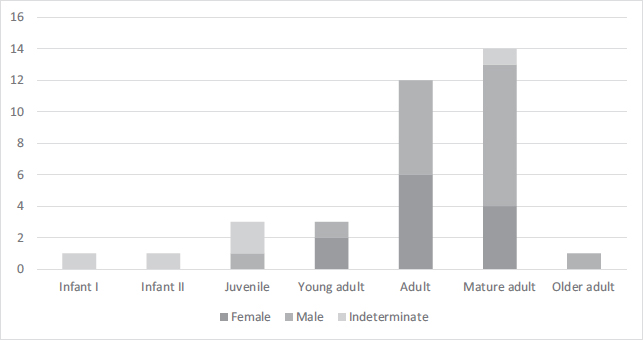
Figure 4. Demographic distribution of the sample.
All age groups from infant group I onwards are represented, but there are no perinatal or lactating individuals. 85.7 % are adult individuals (n=30) while 14.28 % are subadults (n=5). The age category with the highest mortality is mature adults (n=14), followed by adults (n=12). While infant mortality is low (n=2), it is exceeded by juvenile mortality (n=3). This profile differs from that usually found in pre-industrial societies, where high infant mortality tends to result in subadults accounting for between 30 and 50 % of the population. The internal distribution of sub-adults is also atypical: three belong to the juvenile group, one to the infant I group and another to the infant II group, when a higher concentration of younger infants would be expected. Although the analysed sample is limited, preliminary results from a larger sample suggest a similar pattern.
Among adults, the age distribution is as follows: three young adults (8.57 %), twelve adults (34.28 %), fourteen mature adults (40 %) and one older individual (2.85 %). This distribution is consistent with that observed in other ancient populations, where higher mortality is observed during adulthood and a low representation of individuals reaching an advanced age.
The age distribution was analysed according to sex, revealing higher mortality among females in the adult (n=6) and mature adult (n=4) age categories than in the juvenile (n=2) category. This is unusual when considering the risks involved in childbirth in young adult women.
Height
Stature could be estimated in a total of 17 individuals, although the femur was either absent or did not preserve its maximum length in all cases; therefore, alternative long bones, such as the humerus and tibia, were used when necessary. Given the potential variability introduced by the use of different skeletal elements, the calculation of mean stature was based exclusively on femoral measurements. This estimation was possible in nine individuals (four females and five males). The results obtained from this subset indicate an average stature of 165.9 cm for males and 153.5 cm for females (Figure 5). The estimates obtained are consistent with the mean stature values reported in previous studies of Iberian populations, including contexts specifically attributed to the Andalusi period, as well as others with broader chronological frameworks (OLIVÉ-BUSOM et alii, 2021).
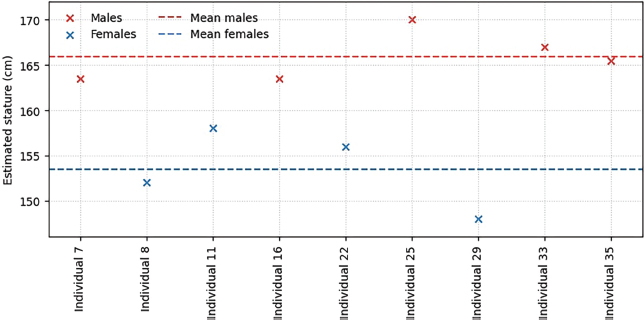
Figure 5. Stature distribution by sex.
Non-articular degenerative changes
Entheseal changes (EC), previously referred to as enthesopathies and later as musculoskeletal stress markers, are morphological alterations occurring at the insertion sites of tendons, ligaments, muscles, or joint capsules. In recent years, their interpretation as reliable indicators of habitual activity—an association traditionally assumed—has been increasingly questioned. Current research suggests that these changes may result from a wide range of factors beyond physical activity, including age, genetic background, body mass, and pathological conditions (SANTOS et alii, 2011; JURMAIN et alii, 2012; VILLOTTE et alii, 2016).
Although some authors have attempted to link these alterations to specific activities (CAPASSO et alii, 1999), clinical evidence indicates that they are associated with a broad spectrum of behaviours, precluding their attribution to any single, discrete activity (JURMAIN, 1999). Some studies have reported a higher frequency of EC among individuals engaged in heavy manual occupations compared to those involved in non-manual or light manual work. However, this difference was not observed in fibrous entheses, which appear to be less susceptible to overuse-related lesions than fibrocartilaginous entheses (VILLOTTE et alii, 2010; JURMAIN et alii, 2012).
In the present study, the presence and anatomical distribution of EC were recorded to assess potential differences between female and male individuals. These modifications were examined in the clavicles, humeri, ulnae, radii, phalanges, coxae, femora, patellae, tibiae, and calcanei. Poor preservation hindered the observation of these alterations in many individuals, and in certain skeletal elements, such as the scapulae, analysis was not possible (Table 1).
Table 1. Age and sex-based distribution of entheseal changes.
Entheseal changes |
Female |
Male |
Indeterminate |
Total |
|||||||||||
YA |
A |
MA |
OA |
YA |
A |
MA |
OA |
YA |
A |
AM |
OS |
NI |
% |
||
Clavicle |
Costoclavicular insertion |
- |
- |
2 |
- |
- |
1 |
2 |
- |
- |
- |
- |
- |
5 |
14.2 |
Deltoid insertion |
- |
1 |
1 |
- |
- |
1 |
- |
- |
- |
- |
- |
- |
3 |
8.5 |
|
Extreme acromial development |
- |
- |
1 |
- |
- |
- |
- |
- |
- |
- |
- |
- |
1 |
2.8 |
|
Conoid ligament |
- |
2 |
1 |
- |
- |
- |
- |
- |
- |
- |
- |
- |
3 |
8.5 |
|
Humerus |
Deltoid insertion |
- |
1 |
- |
- |
3 |
4 |
1 |
- |
- |
- |
- |
9 |
25.7 |
|
Ulna |
Triceps brachii |
- |
- |
1 |
- |
- |
1 |
- |
- |
- |
- |
- |
- |
2 |
5.7 |
Radius |
Biceps bracchi |
- |
- |
2 |
- |
- |
1 |
2 |
1 |
- |
- |
- |
- |
6 |
17.1 |
Phalange |
Flexor ligaments |
- |
- |
- |
- |
- |
- |
2 |
- |
- |
- |
1 |
- |
3 |
8.5 |
Coxal |
Retropubic fossae |
- |
2 |
1 |
- |
- |
- |
- |
- |
- |
- |
- |
- |
3 |
8.5 |
Femur |
Round ligament |
1 |
1 |
- |
- |
- |
1 |
2 |
1 |
- |
- |
- |
- |
6 |
17.1 |
Patella |
Quadriceps tendon m. |
- |
- |
- |
- |
- |
- |
1 |
1 |
- |
- |
- |
- |
2 |
5.7 |
Tibia |
Squatting facet |
1 |
- |
1 |
- |
- |
3 |
- |
1 |
- |
- |
- |
- |
6 |
17.1 |
Calcaneus |
Achilles tendon |
- |
1 |
- |
- |
- |
1 |
2 |
1 |
- |
- |
- |
- |
5 |
14.2 |
Calcaneal spur |
- |
- |
- |
- |
- |
- |
2 |
1 |
- |
- |
- |
- |
3 |
8.5 |
|
In relation to the shoulder girdle, entheseal changes were documented in the clavicles of twelve individuals (34.2 %). Lytic lesions at the enthesis of the costoclavicular ligament on the medial end of the inferior side of the clavicle, were identified in five individuals. No significant differences were observed between males and females regarding these disorders, but other alterations have been identified exclusively in females, such as three cases in which the insertion of the conoid ligament appears highly developed, along with one case of excessive bone growth at the lateral end of the clavicle. In both female and male cases, mature adults present a higher frequency of markers.
Other modifications have also been recorded in the humeral diaphyses, especially in the areas of insertion of the deltoid muscle. These alterations were documented in nine cases (25.7 %), predominantly among male individuals, with a higher frequency in mature adults.
In the ulna, entheseal changes have been observed at the insertion of the triceps brachii muscle, evidenced by bony projection at the olecranon process. The two cases identified (5.7 %) correspond to a mature adult female and a mature adult male. Both individuals also exhibit modifications in the radius, in the form of a marginal rim at the tuberosity, associated with the biceps brachii muscle. It has been detected in a total of six individuals (17.1 %) of different sexes and ages. In these cases, these changes are also present in other bones of the upper limb.
Additionally, in three of the individuals (8.5 %), marked attachment lines of the flexor ligaments were observed on the palmar surfaces of the phalanges.
Various stress marks have been identified in the coxal bones, notably retropubic indentations. These signs, which have traditionally been associated with pregnancy and childbirth, may be the result of different types of activity and are sometimes present in males. For this reason, we cannot make a direct association with pregnancy or childbirth, but the fact is that these processes may be responsible for the presence of this type of modification (DE MIGUEL, 2016) and, in our case, retropubic fossae have been observed exclusively in female individuals.
In the femurs, some modifications have only been recorded at the insertion of the round ligaments or capitis femoris, which is due to the poor general condition of the lower limbs. These alterations, located in the femoral heads, have been recorded in the most pronounced cases. This marker has been observed in both female (n=2) and male (n=4) individuals and in all stages of adulthood, from young to older.
As for the patellae, only one case of alteration has been observed on the anterior surface, corresponding to the insertion of the quadriceps muscle, in an adult male individual. This type of marker, which is very common in other samples, is underrepresented because most individuals have not preserved their patellae.
In the tibia, the most common marker is the squatting facet, recorded in six female and male individuals (17.5 %) from young adulthood onwards. This is an accessory facet located in the distal epiphysis, linked to the repeated adoption of squatting or kneeling postures (CAPASSO et alii, 1999). In addition, one case of platicnemia has been documented, characterised by transverse flattening of the tibial diaphysis as a result of stress on the soleus muscle. This condition, assessed using the cnemial index, can be interpreted as a marker of activity, although hypotheses about its origin range from nutritional deficiency to a biomechanical adaptation due to increased muscle activity, possibly associated with frequent movement over rough terrain (LOVEJOY et alii, 1976; KROGMAN, İŞCAN, 1986). The poor state of preservation has made it impossible to determine this index in most individuals, as is also the case with the platymetric index in the femurs.
In the calcanei, cases of spurs at the Achilles enthesis have been recorded in the posterior tuberosity. This enthesopathy is predominant in males (n=5), and in three of the cases a plantar calcaneal spur is also observed. Although it appears that spurs at the Achilles enthesis and at the plantar enthesis form through different ossification processes (HENDERSON, 2009). Previously, some authors reported that bony changes at the Achilles tendon enthesis, including medial process spurs, are associated with repetitive plantarflexion and mechanical stress from activities such as running or walking on uneven terrain, but may also be influenced by age, obesity, and individual biomechanical factors (CAPASSO, 1999).
Articular degenerative changes
Degenerative joint pathology was also assessed (Table 2). Within the sample, the most prevalent axial alteration was vertebral osteoarthritis, characterized by marginal osteophyte formation and degenerative changes in the articular facets. It was documented in fourteen individuals (40 %), including ten males and four females, affecting the cervical, thoracic, and lumbar segments, with a higher incidence in the latter. In the case of one mature adult male individual, ankylosis was observed between the third and fourth thoracic vertebrae (T3–T4), the first and second lumbar vertebrae (L1–L2), and the third and fourth lumbar vertebrae (L3–L4) (Figure 6).
Table 2. Distribution of degenerative joint disease.
DJD |
Female |
Male |
Total |
|||||||
YA |
A |
MA |
OA |
YA |
A |
MA |
OA |
n |
% |
|
Atlantoaxial osteoarthritis |
- |
1 |
- |
- |
- |
2 |
- |
3 |
8.5 |
|
Vertebral osteoarthritis |
- |
1 |
2 |
- |
- |
2 |
5 |
1 |
11 |
31.4 |
Schmorl’s nodes |
- |
1 |
- |
- |
- |
3 |
3 |
1 |
8 |
22.8 |
Posterior disc herniation |
- |
- |
- |
- |
- |
- |
1 |
- |
1 |
2.8 |
Ligamentum flavum |
- |
- |
1 |
- |
- |
2 |
2 |
- |
5 |
14.2 |
Shoulder girdle |
- |
- |
- |
- |
- |
- |
3 |
1 |
4 |
11.4 |
Hand phalanges |
- |
- |
- |
- |
- |
- |
1 |
- |
1 |
2.8 |
Foot bones |
- |
- |
1 |
- |
- |
- |
- |
1 |
2 |
5.7 |
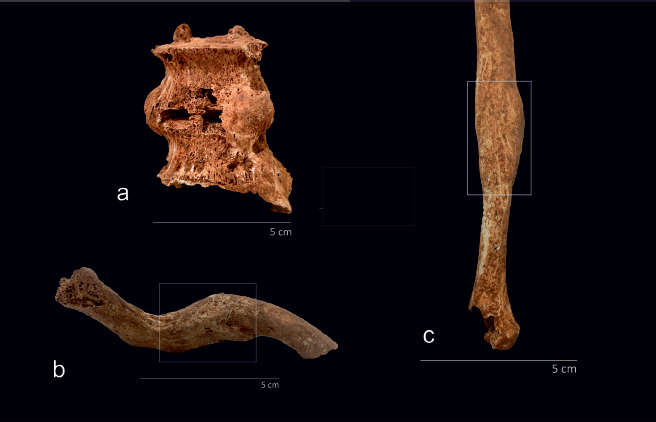
Figure 6. a) Lumbar vertebral ankylosis; b) Clavicle fracture; c) Ulna fracture.
In addition, osseous modifications resulting from displacement of the nucleus pulposus were examined. A distinction was made between vertical depressions on the superior and inferior surfaces of the vertebral bodies—identified as Schmorl’s nodes (SNs)—and posterior displacement of the nucleus from its central position. Eight individuals presented SNs, and one case of posterior disc herniation was identified. These lesions were primarily concentrated in the lower thoracic to lumbar region and were observed from adulthood onwards, with greater frequency in mature adulthood, as well as in the single senile individual. Prevalence was higher in males (n = 8) than in females (n = 1), although this difference should be interpreted in light of the greater male representation in the sample.
Several studies support this anatomical distribution and the higher frequency in males, while questioning a direct association with ageing or specific occupational activities. The greater prevalence in males has been attributed both to morphological factors, such as more pronounced disc development in males, which may increase susceptibility to SN formation, and to functional factors, including engagement in physically demanding tasks involving repetitive load-bearing and greater body mass. However, the latter association has not been confirmed in samples with documented occupations, at least not as a sole explanatory factor (BRITOS, SANTOS, 2024; PLISCHUK et alii, 2025).
Calcification of the ligamentum flavum has also been observed, probably associated with disc degeneration and alterations in vertebral alignment, which can affect the ligaments, causing them to stretch or contract. This can lead to hypertrophy and, in the case of the ligamentum flavum, calcification. Although its appearance in the vertebral arches is common, its consideration as a pathology is debated and, in some cases, it is interpreted as a variant of normality (CAMPO, 2003). Calcification of the ligamentum flavum (14.2 %) has been identified in five individuals, mostly adult or mature men (n=4) and one mature woman. Again, a higher incidence is observed in males.
Signs of osteoarthritis have been documented in other parts of the postcranial skeleton. In four cases, osteoarthritis has been detected in the shoulder girdle, all in mature or older adult men. One of these individuals also has osteoarthritis in the first proximal phalanx of the hand, and another in the first cuneus of the left foot. In addition, a third individual has osteoarthritic lesions in the first and second proximal phalanges of the right foot.
Trauma
The traumatic lesions identified in the sample are, in all cases, antemortem fractures with complete remodelling (Table 3). Seven fractures have been recorded in six different individuals, all of them of middle and mature age. The most common type of trauma is rib fracture, which is documented in four rib diaphyses in three of the individuals.
Table 3. Summary of individuals with evidence of trauma.
INDIVIDUAL |
SEX |
AGE |
TRAUMA |
3 |
Female |
Mature adult |
Two left ribs |
6 |
Male |
Adult |
Left rib |
12 |
Male |
Mature adult |
Acromial third of the right clavicle |
17 |
Female |
Adult |
Distal third of the left ulna |
25 |
Male |
Mature adult |
Medial and proximal third of the right 5th metacarpal |
26 |
Male |
Mature adult |
Unidentified rib fragment |
One case of clavicle fracture was identified in a mature adult male (Figure 6). The healing callus was observed in the acromial third, corresponding to a well-consolidated fracture that caused thickening of the area and slight shortening of the bone. However, this injury would not have caused functional limitations once healed. Two other cases of trauma were recorded in the upper extremities, one to the ulna (Figure 6) and the other to the metacarpal.
The fracture of the fifth metacarpal was recorded in a mature adult male. The injury is located between the medial and proximal third of the bone and is completely healed. Fracture of this bone is a common type of trauma to the hand and can be the result of falls or other types of accidents, as well as punches (DE MIGUEL, 2016).
Congenital anomalies
Similarly, an analysis of congenital anomalies, structural or functional alterations that develop during intrauterine life has been carried out. As is generally the case in the archaeological record, the most common congenital malformation in our sample is spina bifida, which involves a failure of the neural arch of the vertebrae to fuse and is usually located in the sacrum, either partially or completely (BARNES 1994, 2012). In this case, it has been identified in three individuals, always partially, and in one of them the sacrum also presents an axial deviation. On the other hand, in a juvenile individual, sacralisation of L5 has been recorded.
Metabolic pathology
The metabolic pathology observed in the population manifests itself in all cases as a porous lesion: cribra orbitalia and porotic hyperostosis. These deficiency-related alterations are a useful indicator of health conditions and environmental pressure, as they are associated with anaemia or other types of stress, although their aetiology is uncertain. The prevalence in the sample is low, with cribra orbitalia identified in two individuals, one subadult and one adult, while porotic hyperostosis has been recorded in only one adult individual.
Oral pathology
The study of oral pathology in the sample analysed has identified various infectious and degenerative dental conditions. The main alterations documented include caries, ante mortem tooth loss, periodontal disease, calculus formation, LEH, abscesses, hypercementosis and tooth rotation (Table 4). These pathologies provide relevant information on the living conditions, hygiene, diet and general health of the population. In the sample, 33 individuals have preserved teeth, in some cases the dentition is complete, while in others the preservation of both teeth and maxillary and mandibular bone is partial.
Table 4. Distribution of the principal oral pathological conditions: caries, AMTL, LEH.
Activity marker |
Female |
Male |
Indeterminate |
Total |
|||||||||
YA |
A |
MA |
J |
A |
MA |
OA |
J |
A |
AM |
OS |
n |
% |
|
Caries |
1 |
3 |
3 |
1 |
4 |
4 |
1 |
- |
- |
- |
- |
17 |
48.5 |
Ante mortem tooth loss |
1 |
6 |
4 |
- |
2 |
8 |
1 |
- |
- |
1 |
- |
23 |
65.7 |
Lineal enamel hypoplasia |
- |
- |
- |
1 |
1 |
3 |
1 |
1 |
- |
- |
- |
7 |
20 |
Caries were identified in 17 individuals (48.5 %), with effects ranging from isolated minor lesions to complete destruction of the dental crown in most of the teeth, as in the case of individuals 3 and 28, who had up to 11 teeth affected by severe caries. In some cases, caries can be directly related to the ante mortem loss of other teeth. This pathology is present in the juvenile stage (n=1) and has been recorded in all age groups except the infant categories, with a higher prevalence in middle-aged (n=7) and mature adults (n=7). There is no significant difference between sexes.
Tooth loss during life is the most common oral pathology in the sample, with a total of 23 individuals affected (65.7 %). These losses are mainly concentrated in the mature adult stage (n=13), although cases have also been recorded in young adults (n=1), adults (n=8) and in the only older individual. The prevalence is identical between men (n=11) and women (n=11), with one case of an individual of indeterminate sex. In most cases, complete bone regeneration was observed, although in others the alveolar resorption process was incomplete at the time of death. It should be noted that many of the affected individuals lost a large number of teeth, as in the case of individual 33, who lost 16 teeth during his lifetime, or individual 14, who had 15 ante mortem losses in the mandible alone and no maxilla remaining. In cases such as these, where the individual was practically edentulous, a diet adapted to the circumstances is likely.
Tooth loss is closely related to other pathologies, such as caries or periodontal disease, which has been observed in five adult individuals, with no significant difference between males (n=3) and females (n=2).
Significant dental calculus deposits were recorded in 11 individuals, most frequently in mature adults. In most cases, the deposits are moderate, although a massive accumulation has been documented in individual 29, forming pockets on the lingual and buccal surfaces of the lower incisors.
Seven individuals have LEH, manifested as horizontal bands indicating episodes of physiological stress during dental development in childhood. They are observed from the juvenile stage onwards, so in all cases in this sample they are recorded on permanent teeth and are present in individuals at all adult stages. They have only been documented in male individuals, with a frequency of 33.3 % (Figure 7).
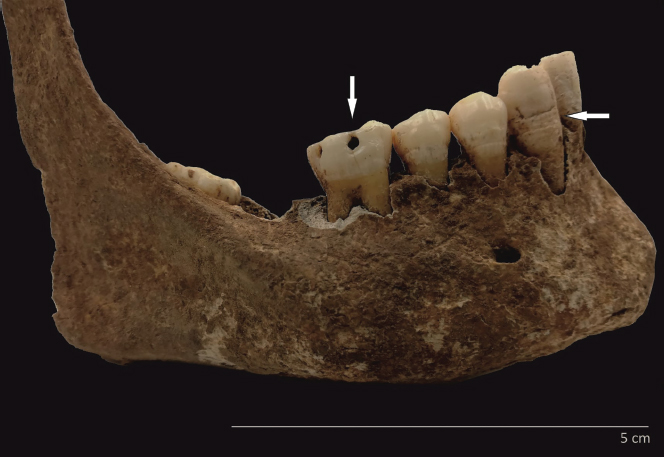
Figure 7. Dental caries and LEH in the mandibular dentition.
Finally, a single case of abscess was documented in an adult female. This finding indicates a low prevalence of periapical infections in the sample analysed.
General considerations
The data obtained reveal that, at the demographic level, there is no significant difference in the representation of either sex. The discrepancy observed in the number of male and female individuals may be attributed to sampling bias. Regarding age distribution, the results differ from what would be expected for this particular pre-industrial society, given the low mortality rate observed among subadult individuals. Mature and middle adults show the highest representation, whereas infant categories present the lowest rates, even lower than juvenile mortality. The absence of children under three years of age is particularly noteworthy, given the greater risk associated with this stage of life. Although some authors have proposed an expected proportion of children of around 30–50 %, results obtained from other Iberian series of analogous chronology show considerable variability. In some cases, the data do not differ from those presented here (DORADO et alii, 2022: 280).
To explain the scarcity of infant individuals, it must be considered that the study does not encompass the totality of individuals buried in the maqbara. Nevertheless, a preliminary investigation based on a larger sample also suggests an underrepresentation of this group, which requires consideration of other factors, such as a possible concentration in specific areas of the cemetery with greater post-depositional damage affecting infant remains due to their intrinsic fragility, which could also explain the absence of perinatal individuals.
Regarding morphological differences between the sexes, male skeletons are characterized by greater robustness and size, whereas female skeletons exhibit greater gracility. This dimorphism is also reflected in mean stature, with a 13 cm difference between the female mean (153.5 cm) and the male mean (165.9 cm). Although stature depends primarily on genetic factors, its expression is modulated by environmental and nutritional conditions.
The analysis of activity markers and degenerative joint pathologies allows for the assessment of possible differences between the sexes, although it requires caution. Changes in the entheses cannot be directly associated with specific activities, as their development is conditioned by multiple factors: age, sexual morphological differences, individual biomechanical variability, and systemic factors. The high prevalence of these alterations may reflect repeated exposure to mechanical loads throughout life, but they should be interpreted as the result of complex and multifactorial processes rather than as unequivocal indicators of occupational stress. Most of these alterations are documented in both sexes, although some are more frequent in males, particularly those observed in the humerus and calcaneus, which may reflect variations in biomechanical patterns or in the intensity of the loads borne, without implying a rigid sexual division of labour (Figure 8).
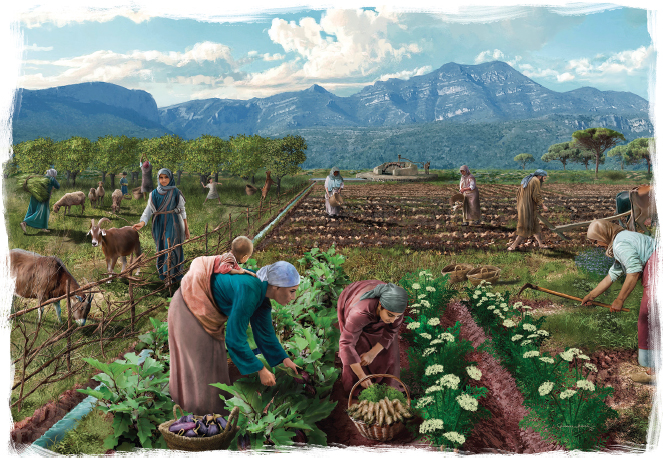
Figure 8. Bioanthropological evidence points to a relatively equal sexual division of labour, where the basic production unit would consist of all family members (Giuseppe Berardi, Joan Negre, Marcos García, Guillermo García-Contreras).
Vertebral osteoarthritis, especially when associated with Schmorl’s nodes, is more prevalent in men, which might suggest greater exposure to intense physical exertion; however, as discussed, it may also be related to the morphology of the vertebral column itself. The remaining markers show no significant differences and therefore do not support the existence of a differentiated distribution of tasks or distinct lifestyles. In a rural context of this nature, it is reasonable to assume that both women and men participated in a broad spectrum of productive activities.
In relation to age, degenerative pathology and entheseal changes are concentrated in adults and mature adults, consistent with their cumulative character over time. The only individual showing clear signs of senility is also the one presenting the highest number of entheseal changes, reinforcing the importance of age as a conditioning factor. Further analysis of non-adult individuals could provide information on possible sex differences in the age of incorporation into physical activities.
Oral pathology provides information on general health and dietary habits. A high frequency of caries and ante mortem tooth loss is observed, probably associated with a carbohydrate-rich diet. With regard to sex differences, LEH was observed in six males and in one individual of indeterminate sex, and no cases were recorded in females.
No clear sex differences are observed in traumatic pathology, which in all cases shows complete healing and may have had an accidental origin. However, a remodelled fracture of the left ulna is documented in an adult woman, showing optimal healing without displacement, which could correspond to a defensive fracture. This type of injury, usually caused by a blow sustained while raising the forearm to protect the face, is relevant for interpreting possible episodes of interpersonal violence, although an accidental origin cannot be ruled out.
With respect to care, the documented cases of trauma with complete regeneration suggest that individuals received varying degrees of attention depending on the severity and location of the injury. Clavicle and ulna fractures show optimal healing, indicating effective temporary immobilisation and, in the case of the ulna, possible reduction and splinting. This implies temporary physical limitations requiring assistance in daily activities. Another aspect to consider is pain, which in some cases would have been treated with natural remedies. Rib fractures, the most frequent, are painful and cause a certain degree of incapacity; therefore, the affected individual would have required help to sit up or walk (Figure 9).
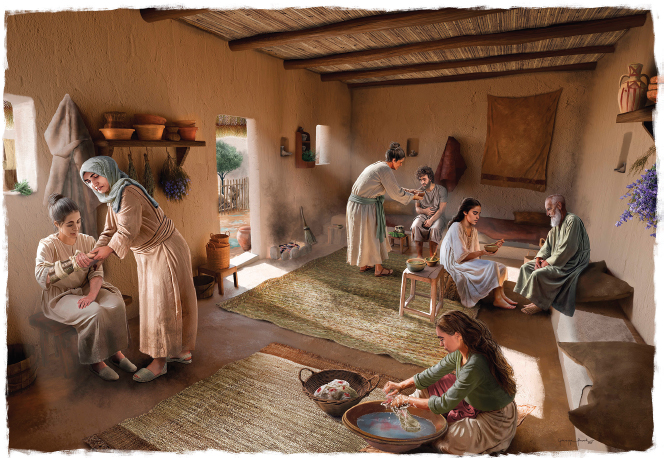
Figure 9. Care activities, which are often invisible in most historical records, are effectively verified through documented healing processes and the assistance and attention tasks necessary for their completion (Giuseppe Berardi, Joan Negre, Guillermo García-Contreras, Marcos García).
The presence of severe oral pathologies allows other necessary forms of caregiving to be inferred. Ante mortem tooth loss suggests difficulties in chewing and the need to adapt the diet, while extensive caries and abscesses indicate infections that required treatment to promote healing and relieve pain. Although self-care may have been sufficient in some cases, it would have been common to receive assistance from someone knowledgeable about poultices, plasters, or other remedies. LEH lines may also reflect specific care provided to children, since these episodes of stress could have been caused by infections, parasites, or other conditions requiring treatment to ensure survival (DE MIGUEL, 2016).
Gender and Labour in A Peasant Community in Sharq Al-Andalus
The analysis conducted on a substantial sample of the individuals unearthed in the Xaresa maqbara has facilitated the reconstruction of pivotal elements pertaining to the diet, health and caregiving associated with the physical and emotional well-being of this peasant community. The main goal of this study has been to analyse the living conditions and activities carried out in this settlement, with a particular focus on the relevance of care-related and domestic work, as well as other maintenance and reproduction tasks performed mainly by women, in the effective survival of these people. In contrast to the conclusions drawn from written sources, which appear to restrict female activity to the domestic sphere, this case study suggests a more flexible distribution of production activities, underscoring the porous and ultimately artificial separation that modern frameworks impose between the spheres of production and reproduction in relation to pre-industrial rural life (Figure 10).
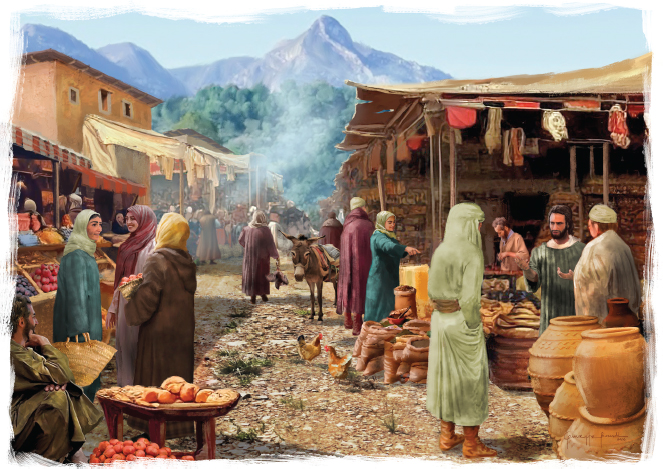
Figure 10. Women’s activities extended beyond the strict domestic sphere, managing a multitude of tasks related to the maintenance of the family and the community, such as the provision of food (Giuseppe Berardi, Joan Negre).
Despite their dedication to agricultural production, the families living on this farmstead must have survived periods of famine or limited nutritional intake. This is evidenced by the various dental pathologies present in many of the individuals analysed. Such pathologies are commonly associated with signs of malnutrition of varying severity. This hypothesis is further substantiated by the inclusion within their diets, in some cases predominantly, of a diverse array of low-nutrient plants, including millets, sorghum and other C4 cereals (NEGRE et alii, 2024).
Osteological evidence reveals certain differences between the division of labour according to sex, both in robustness and in the presence of occupational stress markers. It has been demonstrated that males typically exhibit superior height and strength and consequently experience a heightened propensity for injuries sustained in the context of strenuous physical exertion. Such injuries predominantly affect the spine and upper limbs. In contrast, women exhibited signs indicative of repetitive activities in the shoulder and pelvic regions. Some of these signs have been linked to tasks such as carrying loads, farming, food processing and exhausting domestic activities. Nevertheless, it is important to bear in mind the limitations of bioanthropological records when assigning single causes to these indicators, as has been repeated throughout the text.
These findings lend further support to the hypothesis that the entire family group, irrespective of age and sex, participated in the various agricultural and craft activities characteristic of the farmstead. These activities included, among others, cereal production, herd care, and the manufacture, decoration, and distribution of various ceramic artefacts and textile goods (Figure 11).
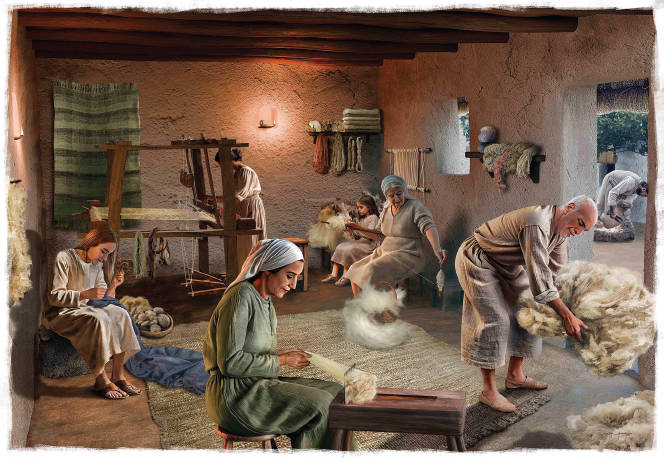
Figure 11. Textile production activities were one of the main areas of work within the female sphere, as textual and ethnoarchaeological documentation has highlighted (Giuseppe Berardi, Joan Negre, José María Moreno-Narganes).
The identification of relatively clear indicators linked to personal care, such as the healing of fractures, the treatment of oral diseases and dietary adaptation for individuals with dental problems, also evidences the existence of support and care networks that guaranteed the well-being of the group. Based on the data obtained, it is possible to identify two types of caregiving activities, according to the typology established by De Miguel and De Miguel (2005). On the one hand, there was curative care, aimed at the recovery of the individual; on the other hand, there was substitute care, focused on meeting basic needs while the person was unable to do so for themselves.
On this matter, it is noteworthy the case of an individual who was over 60 years of age and had a series of significant ailments that would have restricted his ability to care for himself during the final years of his life. Notably, the subject exhibited a significant loss of sixteen teeth prior to death, which considerably impeded his capacity to process food in a manner consistent with the dietary requirements of the remaining group members. However, the presence of various enthesopathies of differing severity was also observed in the clavicles, humeri, radii, coxae, femurae, patellae, tibiae and calcaneae, in addition to the presence of several osteophytes in multiple lumbar vertebrae and herniated discs. These findings are likely indicative of arthritic processes. We are thus faced with evidence of an individual who, in the final years of his life, required specific care within the family unit. This care took the form of attention to his health and nursing care, due to his inability to participate in the group’s productive activities.
As previously noted, this constitutes a form of ‘emotional labour’ (VINYOLES, 2022: 22) which has traditionally been situated within the sphere of women’s responsibilities. Indeed, as M. Cabré (2005: 637) highlights, certain medieval authors acknowledged women’s central role, knowledge, and expertise in matters related to health care within the household. For instance, in the late fourteenth century, Bernat Metge remarked that “[…] when someone is healthy or ill, they [women] serve him more diligently, and better, and more cleanly than men” (1907, IV: 102)6. It is therefore highly likely that those who bore primary responsibility for the care and maintenance of this dependent man from Xaresa were one or more women from his immediate social circle.
As noted at the beginning of this article, this is a fundamental aspect for the resilience of this peasant community and has been thoroughly documented as being intrinsically linked to the female sphere. Indeed, it is a widely accepted fact that women have historically been responsible for the majority of the group’s maintenance tasks, including the management of domestic resources. Although the physical and emotional labour performed daily and gratuitously, predominantly by women, has been conventionally excluded from traditional definitions of ‘labour’, it constitutes a fundamental component of social reproduction and, by extension, of past and present economic systems (Figure 12).
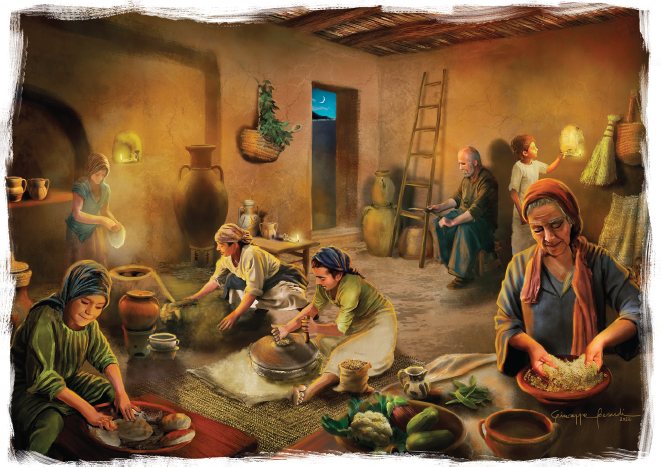
Figure 12. Food processing and preparation, as well as caring for children, elderly, and individuals with disabilities were some of the areas in which women were most active, and these roles were essential for the survival of these communities (Giuseppe Berardi, Joan Negre).
Furthermore, the data presented herein call into question other conventional interpretations that have privileged productive activities as being monopolised by actors of supposedly ‘neutral’ gender—yet generally, if often only implicitly, conceived as male figures—and regarded as the primary driving force of the rural economy, thereby overlooking the essential functions of social reproduction and group maintenance. This persistent androcentrism that still dominates prevailing perspectives within the discipline is well reflected in the research questions and the themes explored in much of the existing literature. On the contrary, we assume that the life of this rural community, like that of the Andalusi rural world as a whole, was based on the integrated coordination of productive and reproductive strategies, in which women were key agents—no less fundamental than their male counterparts—in sustaining agrarian systems, ensuring community resilience and enabling social reproduction (GARCÍA-GARCÍA, in press).
Accordingly, we contend that the analysis of women’s roles in rural Andalusi society must go beyond merely enumerating their responsibilities and functions. It demands a re-reading of the entire productive system that integrates the affective and emotional (that is, human) dimensions that women’s labour embodied and sustained. This perspective not only challenges the analytical frameworks that have historically defined what constitutes ‘labour,’ ‘economy,’ or ‘production,’ but also reveals that many fundamental activities essential to collective survival have been systematically excluded from dominant economic categories (GILCHRIST, DEMPSEY, 2024).
In conclusion, the integration of the gender framework and the analysis of maintenance and care activities in the study of the rural world of al-Andalus allows for the reconstruction of a more nuanced and balanced picture of its social organisation, placing women’s historical agency, their forms of labour, and their social action at the centre of analysis. Contrary to the notion of women as marginal actors in the social dynamics, they have been shown to have played a fundamental role in the economic, social and health sustainability of the community. Indeed, they have been identified as key agents in the production and reproduction tasks of these groups. The recognition of hitherto marginalised dimensions serves not only to refine existing understandings of Andalusi rural life but also to establish the foundations for a more inclusive and nuanced historical narrative.
References
ALAPONT, Llorenç (2004): Memoria científica de la intervención arqueológica realizada en la noria islámica de La Servana, Xeresa, València. València: Direcció General del Patrimoni Cultural.
ALQAHTANI, Sakher J.; LIVERSIDGE, Helen M.; HECTOR, Mark P. (2010): “Atlas of tooth development and eruption”, American Journal of Physical Anthropology, 142(3), 481-490. https://doi.org/10.1002/ajpa.21258
BARNES, Ethne (1994): Developmental defects of the axial skeleton in paleopathology. Colorado: University Press of Colorado.
BARNES, Ethne (2012): Atlas of developmental field anomalies of the human skeleton. Hoboken: Wiley-Blackwell.
Boloix, Bárbara (2010): Prodigios del maestro sufí Abū Marwān al-Yuḥānisī de Almería. Estudio crítico y traducción de la Tuhfat al-mugtarib de Aḥmad al-Qaštālī. Madrid: Mandala.
BOLOIX, Bárbara (2023): “Las mujeres del mundo rural nazarí. Vidas cotidianas, espacios y objetos domésticos según la Tuḥfat al-mugtarib de Aḥmad al-Qaštāl ī (siglo XIII)”, Anuario de Estudios Medievales, 53(2), 477–514. https://doi.org/10.3989/aem.2023.53.2.01
BRITOS, João Tiago; SANTOS, Ana Luísa (2024): “Schmorl’s nodes in a historic adult skeletal sample (19th to 20th centuries): An analysis of age, sex and occupation”, International Journal of Paleopathology, 46, 1-8. https://doi.org/10.1016/j.ijpp.2024.05.002
BROOKS, Sheilagh; SUCHEY, Judy (1990): “Skeletal age determination based on the Os Pubis: A Comparison of the Acsádi-Nemeskéri and Suchey-Brooks Methods”, Human Evolution, 5, 227-238.
BROTHWELL, Don R. (1981): Digging up bones. The excavation, treatment and study of human skeletal remains. Oxford: Oxford University Press.
BUIKSTRA, Jane E.; UBELAKER, Douglas H. (1994): Standards for Data Collection from Human Skeletal Remains. Arkansas: Arkansas Archeological Survey Research Series, 44, University of Arkansas.
CABALLERO, Carmen (2008): “The care of women’s health and beauty: an experience shared by medieval Jewish and Christian women”, Journal of Medieval History, 34(2), 146–163. https://doi.org/10.1016/j.jmedhist.2008.03.007
CABALLERO, Carmen (2023): “Curar y cuidar en relación: la práctica sanitaria de las mujeres judías en la Edad Media”, in B. Noria (Ed.), Dinámicas sociales y roles entre mujeres, pp. 200–2016. Oxford: Archaeopress.
CABRÉ, Montserrat (2005): “Como una madre, como una hija ̓: las mujeres y los cuidados de salud en la Baja Edad Media”, in I. Morant and E. Cantarino (Eds.), Historia de las mujeres en España y América Latina: de la prehistoria a la Edad Media, pp. 637–657. Madrid: Cátedra.
CABRÉ, Montserrat (2008): “Women or Healers? Household Practices and the Categories of Health Care in Late Medieval Iberia”, Bulletin of the History of Medicine, 82(1), 18–51. https://doi.org/10.1353/bhm.2008.0040
CAMPILLO, Domingo (1993): “Metodología paleopatológica de la columna vertebral”, in J. D. Villalaín, C. Gómez and F. Gómez (Eds.), Actas del II Congreso Nacional de Paleopatología, pp. 103-120. Valencia.
CAMPILLO, Domingo (1993-1994): Paleopatología. Los primeros vestigios de la enfermedad (Vol. I y II). Barcelona: Fundación Uriach 1838.
CAMPILLO, Domingo (2001): Introducción a la Paleopatología. Barcelona: Editorial Bellaterra.
CAMPO, Martín (2003): “Paleopatología de la columna vertebral”, in A. Isidro and A. Malgosa (Eds.), Paleopatología. La enfermedad no escrita, pp. 163-194. Barcelona: Masson.
CAPASSO, Luigi; KENNEDY, Kenneth; WILCZAK, Cynthia (1999): Atlas of Occupational Markers on Human Remains. Teramo: Edigrafital.
COLOMER, Laia; GONZÁLEZ-MARCÉN, Paloma; PICAZO, Marina (2024): “Feminist archaeology for the present. Maintenance activities and social caring”, in M. Moen and U. Pedersen (Eds.), The Routledge Handbook of Gender Archaeology, pp. 30–44. New York: Routledge. https://doi.org/10.4324/9781003257530-5
CRUZ, Miguel (1998): Abu-L-Walid Muhammad ibn Rusd. Averroes: Antologia. Sevilla: Fundación Cajasol.
DE MIGUEL IBÁÑEZ, María Paz (2016): La maqbara de Pamplona (s. VIII). Aportes de la osteoarqueología al conocimiento de la islamización en la Marca Superior. Tesis doctoral, Universidad de Alicante. Alicante.
DE MIGUEL IBÁÑEZ, María Paz; DE MIGUEL IBÁÑEZ, Puy (2005): “Patología traumática en osteoarqueología. Evidencias de cuidados”, De la tradición a la evidencia. XII Jornadas de Enfermería, 254-257.
DOMÉNECH, Carolina; NEGRE, Joan; MOSCARDÓ, Emili (2023): “Un dinar almorávide procedente de la alquería andalusí de Xaresa (Xeresa, Valencia)”, Sagvntvm, 55, pp. 297-306. https://doi.org/10.7203/SAGVNTVM.55.24557
DORADO FERNÁNDEZ, Esperanza; HERRERÍN LÓPEZ, Jesús; RAMÍREZ GONZÁLEZ, Isabel; HUERTA PÉREZ, Laura; CÁCERES MONLLOR, Diego (2022): “Caracterización antropológica de una población medieval: el cementerio mudéjar de Uceda (Guadalajara)”, Oppidum: cuadernos de investigación, 18, 273-302.
FERRANDO, Antoni (1979): Llibre del Repartiment de Valencia. València: Vicent Garcia.
GARCÍA-GARCÍA, Marcos (2025a): “Food, Religion and Gender in Medieval and Early Modern Iberia: A Theoretical and Conceptual Framework”, Food and Foodways, 33(2), 150-170. https://doi.org/10.1080/07409710.2025.2482485
GARCÍA-GARCÍA, Marcos (2025b): “‘Entre los pucheros anda el Señor’: alimentación, religiosidad doméstica y agencia de las mujeres entre la Edad Media y la Edad Moderna”, Arenal. Revista de Historia de las Mujeres, 32(1): 293–314. https://doi.org/10.30827/arenal.v32i1.32944
GARCÍA-GARCÍA, Marcos (in press): “Integrating Gender into the Study of Andalusi Rural Societies: Theoretical Reflections on Production, Reproduction, and Social Dynamics”, in C. Rodríguez González and J. M. ª Moreno-Narganes (Eds.), Gender, Rural Space, and Production from a Transhistorical Perspective: From Prehistory to Contemporary Era. Turnhout: Brepols.
GILCHRIST, Roberta; DEMPSEY, Karen (2024): “Gender in the Middle Ages. Marginalisation and Mainstreaming in Later Medieval Archaeology”, in M. Moen and U. Pedersen (Eds.), The Routledge Handbook of Gender Archaeology: pp. 103–125. London: Routledge.
GONZÁLEZ-MARCÉN, Paloma; MONTÓN, Sandra; PICAZO, Marina (2008): “Towards an archaeology of maintenance activities”, in S. Montón Subías and M. Sánchez Romero (Eds.), Engendering Social Dynamics: The Archaeology of Maintenance Activities, pp. 3–8. Oxford: Archaeopress.
GREEN, Monica (1989): “Women’s Medical Practice and Health Care in Medieval Europe”, Signs, 11(4), 434–473.
HENDERSON, Charlotte (2009): Musculo-skeletal stress markers in bioarchaeology: indicators of activity levels or human variation? A re-analysis and interpretation. Tesis doctoral, Department of Archaeology, University of Durham. Durham.
HERNANDO, Almudena (2005): “¿Por qué la Historia no ha valorado las actividades de mantenimiento?”, Treballs d’Arqueologia, 11, 115–133.
HILLSON, Simon (2019): “Dental Pathology”, in Dental Anthropology (2nd. ed.). Cambridge: Cambridge University Press.
İŞCAN, M. Yaşar; LOTH, Shirley R.; WRIGHT, Richard K. (1984): “Age Estimation from the Rib by Phase Analysis: White Males”, Journal of Forensic Sciences, 29, 1094–1104.
JURMAIN, Robert (1999): Stories from the Skeleton: Behavioural Reconstruction in Human Osteology. Amsterdam: Gordon and Breach. https://doi.org/10.4324/9780203727072
JURMAIN, Robert; ALVES CARDOSO, Francisca; HENDERSON, Charlotte; VILLOTTE, Sébastien (2012): “Bioarchaeology’s Holy Grail: The Reconstruction of Activity”, in A. L. Grauer (Ed.), A Companion to Paleopathology, pp. 531-552. Chichester: Wiley-Blackwell. https://doi.org/10.1002/9781444345940.ch29
KROGMAN, Wilton M.; İŞCAN, Mehmet Y. (1986): The Human Skeleton in Forensic Medicine (2nd ed.). Springfield: Charles C. Thomas.
LASLETT, Barbara; BRENNER, Johanna (1989): “Gender and Social Reproduction: Historical Perspectives”, Annual Review of Sociology, 15(1), 381–404. https://doi.org/10.1146/annurev.so.15.080189.002121
LOVEJOY, C. Owen; BURSTEIN, Albert H.; HEIPLE, Kingsbury G. (1976):“The biomechanical analysis of bone strength: A method and its application to platycnemia”, American Journal of Biological Anthropology, 44, 489-505. https://doi.org/10.1002/ajpa.1330440312
LOVEJOY, C. Owen; MEINDL, Richard S.; PRZYBECK, Thomas R.; MENSFORTH, Robert P. (1985): “Chronological Metamorphosis of the Auricular Surface of the Ilium: A new method for the Determination of Adult Skeletal Age at Death”, American Journal of Physical Anthropology, 68(1), 15-28. https://doi.org/10.1002/ajpa.1330680103
MARÍN, Manuela (1999): “Mujeres y relaciones familiares en el mundo rural andalusí: notas sobre la familia de Abū Marwān al-Yuḥānisī”, in M. T. López Beltrán (Ed.), De la Edad Media a la Moderna: mujeres, educación y familia en el ámbito rural y urbano, pp. 17–36. Málaga: Servicio de Publicaciones de la Universidad de Málaga.
MARTIN, Rudolf; SALLER, Karl (1957): Lehrbuch der Anthropologie: in systematischer Darstellung mit besonderer Berücksichtigung der anthropologischen Methoden. Band III. Stuttgart: Gustav Fischer Verlag.
MASSET, Claude (1982): Estimation de l’âge au décès par les sutures crâniennes (Doctoral thesis). Université Paris VII. Paris.
MENDONÇA, Maria C. (2000): “Estimation of height from long bones in a Portuguese adult population”, American Journal of Physical Anthropology, 112(1), 39-48. https://doi.org/10.1002/(SICI)1096-8644(200005)112:1<39::AID-AJPA5>3.0.CO;2-%23
METGE, Bernat (1907): Lo Somni d’En Bernat Metge. Ed. Ramon Miquel y Planas. Barcelona: Fidel Giró.
MONTÓN, Sandra (2023): “Arqueología y cuidados. Representación del pasado, actividades de mantenimiento y prácticas académicas”, in P. Fatás, L. Díaz, and A. Martínez (Eds.), Los bisontes de Altamira los descubrió una mujer. Museos, arqueología, patrimonio y género, pp. 39–56. Madrid: Ministerio de Cultura y Deporte.
MONTÓN, Sandra (2025): “Other Pasts. Feminist Archaeology, Maintenance Activities, and Reconceptualisation”, in M. Moen and U. Pedersen (Eds.), The Routledge Handbook of Gender Archaeology, pp. 383–396. New York: Routledge. https://doi.org/10.4324/9781003257530-31
MOSCARDÓ, Emili (2008): Memòria científica final de l’excavació de la parcel·la i edifici de La Servana, Xeresa, La Safor, València. Estiud, tardor i hivern de 2009. València: Direcció General del Patrimoni Cultural.
MURDOCK, George; PROVOST, Caterina (1973): “Factors in the Division of Labor By Sex: A Cross-Cultural Analysis”, Ethnology, 12(4), 379–392.
NEGRE, Joan; ALEXANDER, Michelle; GARCÍA-COLLADO, Maite; GARCÍA-GARCÍA, Marcos (2024): “La maqbara de la alquería de Xaresa. Estudio arqueológico y antropológico de una comunidad campesina en el Sarq al-Andalus”, in B. Sarr (Ed.), Maqbara. Espacios, rituales y ceremoniales de enterramientos islámicos, pp. 271-292. Salobreña: Alhulia.
NEGRE, Joan; GARCÍA-BORJA, Pablo; PALMER, Joan E. (2023): “Programa, diseño y ejecución arquitectónica del ḥiṣn Bayrān (Gandia, València). Análisis del proceso constructivo de una fortaleza protourbana en el Šarq al-Andalus”, Arqueología de la Arquitectura, 20, e140. https://doi.org/10.3989/arq.arqt.2023.007
OLIVÉ-BUSOM, Júlia; LÓPEZ-COSTAS, Olalla; MÁRQUEZ-GRANT, Nicholas; KIRCHNER, Helena (2021): “Estudio antropológico de las alquerías de Benizahat y Zeneta (Vall d’Uixó, Castellón). Una ventana a la vida rural andalusí”, Sagvntvm, 53, 193-212. https://doi.org/10.7203/SAGVNTVM.53.20505
OLIVIER, Georges (1960): Anthropologie de l’enfant: Techniques et normes. Paris: Vigot Frères.
PEARSON, Karl (1899): “On the reconstruction of the stature of prehistoric races”, Philosophical Transactions of the Royal Society of London. Series A, 192, 169-244. https://doi.org/10.1098/rsta.1899.0004
PÉREZ, Josep (2010): Informe preliminar de l’excavació al Polígono Industrial “La Servana” UE2 SUNP1 Parcela 1. València: Direcció General del Patrimoni Cultural.
PHENICE, Terrell W. (1969): “A newly developed visual method of sexing the Os Pubis”, American Journal of Physical Anthropology, 30, 297-301. https://doi.org/10.1002/ajpa.1330300214
PICCHIO, Antonella (1992): Social Reproduction. The Political Economy of the Labour Market. Cambridge: Cambridge University Press.
PLISCHUK, Marcos; GARIZOAIN, Gonzalo; GARCÍA MANCUSO, Rocío (2025): “Schmorl’s nodes in two 19th-20th century Spanish osteological collections from Valladolid and Granada”, International Journal of Paleopathology, 48, 57-63. https://doi.org/10.1016/j.ijpp.2025.01.001
ROSE, Hillary (1987): “Trabajo de mujeres: conocimiento de mujeres”, in C. Amorós (Ed.), Mujeres: ciencia y práctica política, pp. 64–86. Madrid: Debate.
SAFONT, Santiago; ALESAN, Alicia; MALGOSA, Assumpcio (1999): Memòria de l’excavació realitzada a la tomba del carrer Nou, 12 (Sant Bartomeu del Grau, Osona). Inédito.
SANTOS, Ana Luísa; ALVES-CARDOSO, Francisca; ASSIS, Sandra; VILLOTTE, Sébastien (2011): “The Coimbra Workshop in Musculoskeletal Stress Markers (MSM): an annotated review”, Antropologia Portuguesa, 28, 135-161.
SCHAEFER, Maureen; BLACK, Sue; SCHEUER, Louise (2009): Juvenile osteology: a laboratory and field manual. London: Elsevier.
SCHEUER, Louise; BLACK, Sue (2000): Developmental Juvenile Osteology. London: Elsevier.
TROUILLOT, Michel-Rolph (2017): Silenciando el pasado. El poder y la producción de la Historia. Granada: Comares.
UBELAKER, Douglas H. (1989): Human skeletal remains. Excavation, analysis, interpretation. Washington: Taraxacum.
VILLOTTE, Sébastien; ASSIS, Sandra; ALVES CARDOSO, Francisca; HENDERSON, Charlotte Y.; MARIOTTI, Valentina; MILELLA, Marco; PANY-KUCERA, Doris; SPEITH, Nivien; WILCZAK, Cynthia A.; JURMAIN, Robert (2016): “In search of consensus: Terminology for entheseal changes (EC)”, International Journal of Paleopathology, 13, 49-55. https://doi.org/10.1016/j.ijpp.2016.01.003
VILLOTTE, Sébastien; CASTEX, Dominique; COUALLIER, Vincent; DUTOUR, Olivier; KNÜSEL, Christopher J.; HENRY-GAMBIER, Dominique (2010): “Enthesopathies as occupational stress markers: evidence from the upper limb”, American Journal of Physical Anthropology, 142(2), 224-234. https://doi.org/10.1002/ajpa.21217
VINYOLES, Teresa (2022): Usos amorosos de las mujeres en la época medieval. Madrid: Catarata.
WALDRON, Tony (2009): Palaeopathology. Cambridge Manuals in Archaeology. Cambridge: Cambridge University Press.
WALKER, Phillip L.; JOHNSON, James R.; LAMBERT, Paul M. (1988): “Age and sex biases in the preservation of human skeletal remains”, American Journal of Physical Anthropology, 76, 183-186. https://doi.org/10.1002/ajpa.1330760206
_______________________________
1 This study has been developed with funds from the Museu Arqueològic de Gandia as part of its comprehensive research strategy. This text aims to highlight the fundamental role of local museums in the archaeological research process and the urgent need to legally recognise them as public research bodies. The work is also partially funded by grant RYC2023-042965-I, financed by MICIU/AEI/10.13039/501100011033 and by the FSE+.
2 Escuela de Estudios Árabes, Consejo Superior de Investigaciones Científicas. Email: joan.negre@eea.csic.es. ORCID: https://orcid.org/0000-0002-2804-1467
3 Independent Osteoarchaeologist. Email: sheyla.sancho@gmail.com. ORCID: https://orcid.org/0009-0002-1813-5790
4 Universidad de Granada. Email: marcosgarcia@ugr.es. ORCID: https://orcid.org/0000-0002-2080-5098
5 This book constitutes a compilation of administrative documents that record the donations made by the monarch during the conquest of the Valencian territories. These documents typically mention the places, beneficiaries and the extent of the lands being ceded.
6 The original text reads: “[No ignores que] quan hòm es sà, o malalt, elles serveixen pus diligentment y mills, y pus netament, que homes”.
Cómo citar: Negre, J., Sancho, S., García, M. (2026): Concealed roles. An osteoarchaeological reading on nourishment, health and caregiving in a peasant community in the Sharq al-Andalus. Arqueología y Territorio Medieval, 33, e9703. https://doi.org/10.17561/aytm.v33.9703