Introducción
DOI:
https://doi.org/10.17561/aytm.v27.5669Resumen
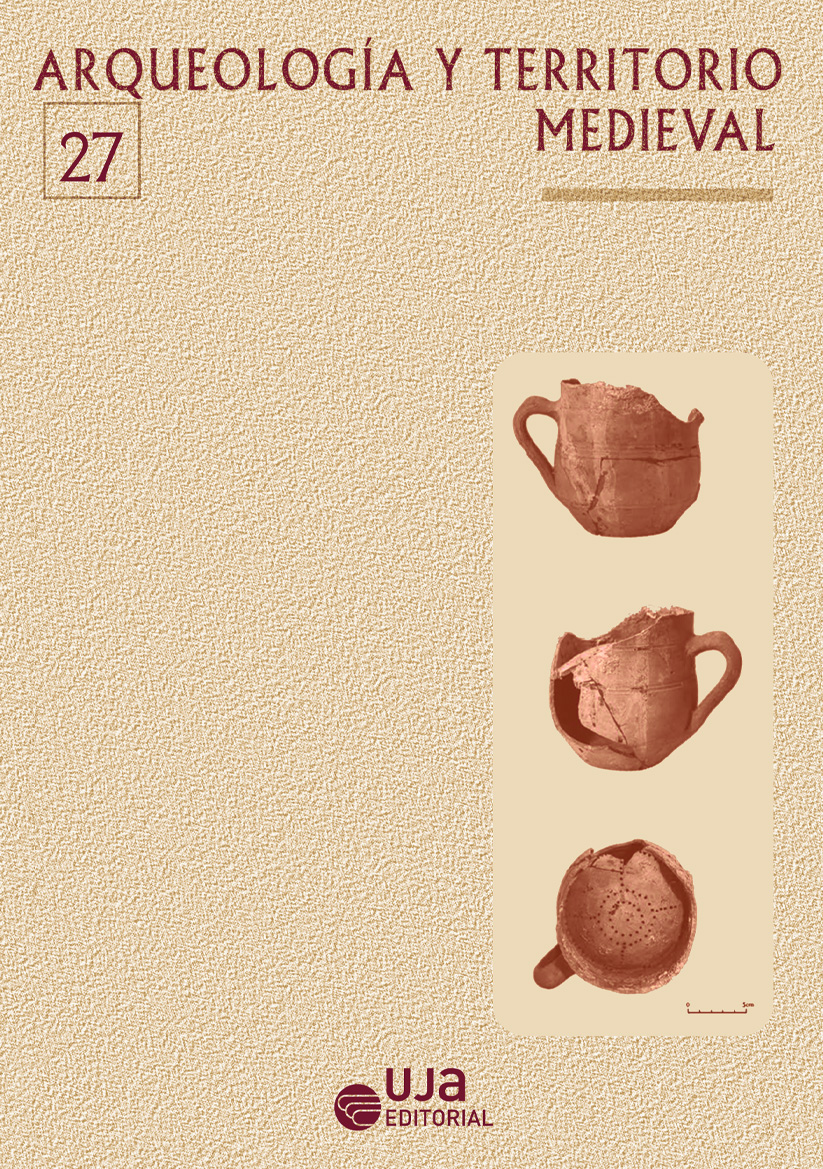
La cerámica islámica ha tenido un importante papel en los estudios de arqueología e historia medieval. Su relevancia como objeto clave de la cultura material es innegable debido a sus características, entre las que destacamos su omnipresencia y su indestructibilidad, cualidades que permiten que encontremos fragmentos de cerámica en todos los yacimientos arqueológicos. Así, se ha utilizado como fósil guía para datar las fases de las excavaciones, para conocer la organización del sistema de producción y distribución, para trazar el alcance de las rutas comerciales medievales, para comprender el simbolismo político o religioso de las dinastías gobernantes, o acercarnos a la vida cotidiana de las sociedades medievales, por citar algunos ejemplos.
Descargas
Publicado
Número
Sección
Licencia

En el momento en que el artículo sea aceptado por los órganos competentes de la revista, el autor o autores deberán rellenar un formulario específico donde constarán las condiciones de copyright de la revista, aprobado por la Universidad de Jaén.
Los autores/as conservan los derechos de autor y ceden a la revista el derecho de la primera publicación, con el trabajo registrado con la licencia de atribución de Creative Commons, que permite a terceros utilizar lo publicado siempre que mencionen la autoría del trabajo y a la primera publicación en esta revista.
Los autores/as pueden realizar otros acuerdos contractuales independientes y adicionales para la distribución no exclusiva de la versión del artículo publicado en esta revista (p. ej., incluirlo en un repositorio institucional o publicarlo en un libro) siempre que indiquen claramente que el trabajo se publicó por primera vez en esta revista.