La escuela dibujada
DOI:
https://doi.org/10.17561/rtc.extra6.6529Palabras clave:
educación, arte, fotografía, geografíaResumen
El objetivo de este trabajo es describir un proyecto de investigación y educación artística con niños de 3 a 5 años.
El escenario utilizado es la escuela llamada DPDB - Dalla Parte Dei Bambini, con sede en Nápoles (Italia), que desde hace más de treinta años utiliza diversas formas artísticas como herramienta pedagógica, en la creencia de que el niño no es sólo un sujeto reflexivo, sino también y sobre todo activo.
En concreto, la investigadora responsable del proyecto educativo realizó el seguimiento de un grupo de niños de 5 años, en un periodo claramente marcado por las consecuencias materiales e inmateriales que la actual emergencia sanitaria ha tenido en la vida cotidiana de las familias, la escuela y las relaciones sociales en general.
Dentro de este complejo marco, caracterizado por los importantes temas de la presencia y la ausencia, del principio y el fin, los educadores esbozaron un proyecto didáctico que puede cambiar a medida que cambian las posibilidades y que, al mismo tiempo, sigue siendo sólido y sustancial en sus intenciones pedagógicas.
Durante esta delicada fase de crecimiento, los niños y niñas utilizan de hecho una forma de pensar cada vez más compleja, subdividida en gran parte en conceptos, categorías cada vez más amplias y no necesariamente perceptibles de forma concreta.
Su interés comienza a dirigirse hacia la búsqueda de soluciones, el descubrimiento de las constantes que regulan los procesos, la planificación de acciones y las hipótesis sobre los posibles resultados.
La atención se afina cada vez más y su tiempo se alarga considerablemente, de modo que las categorías de tiempo y espacio empiezan a tener un sentido real en la experiencia cotidiana.
El proyecto didáctico se ha desarrollado, pues, en torno al gran tema del tiempo y sus dimensiones, deteniéndose después en el concepto de espacio y todas sus posibles declinaciones.
El espacio se consideró tanto en su acepción más íntima de espacio individual, es decir, un espacio para uno mismo en el que escribir su propia historia personal, como en su acepción topológica vinculada a la orientación, las distancias, las medidas, las exploraciones, y entendida como espacio-mundo, es decir, desde un punto de vista ecológico.
Así nació un proyecto basado en el uso de mapas. En concreto, partimos de un mapa de la propia escuela, que se estudió en sus direcciones, se dividió en grupos geográficos y se transpuso a una escala mayor. Este proceso de traducción a escala, es algo que entrena el razonamiento cognitivo a las posibilidades de la escritura: letras pequeñas que forman palabras, que luego forman frases en un espacio-hoja determinado.
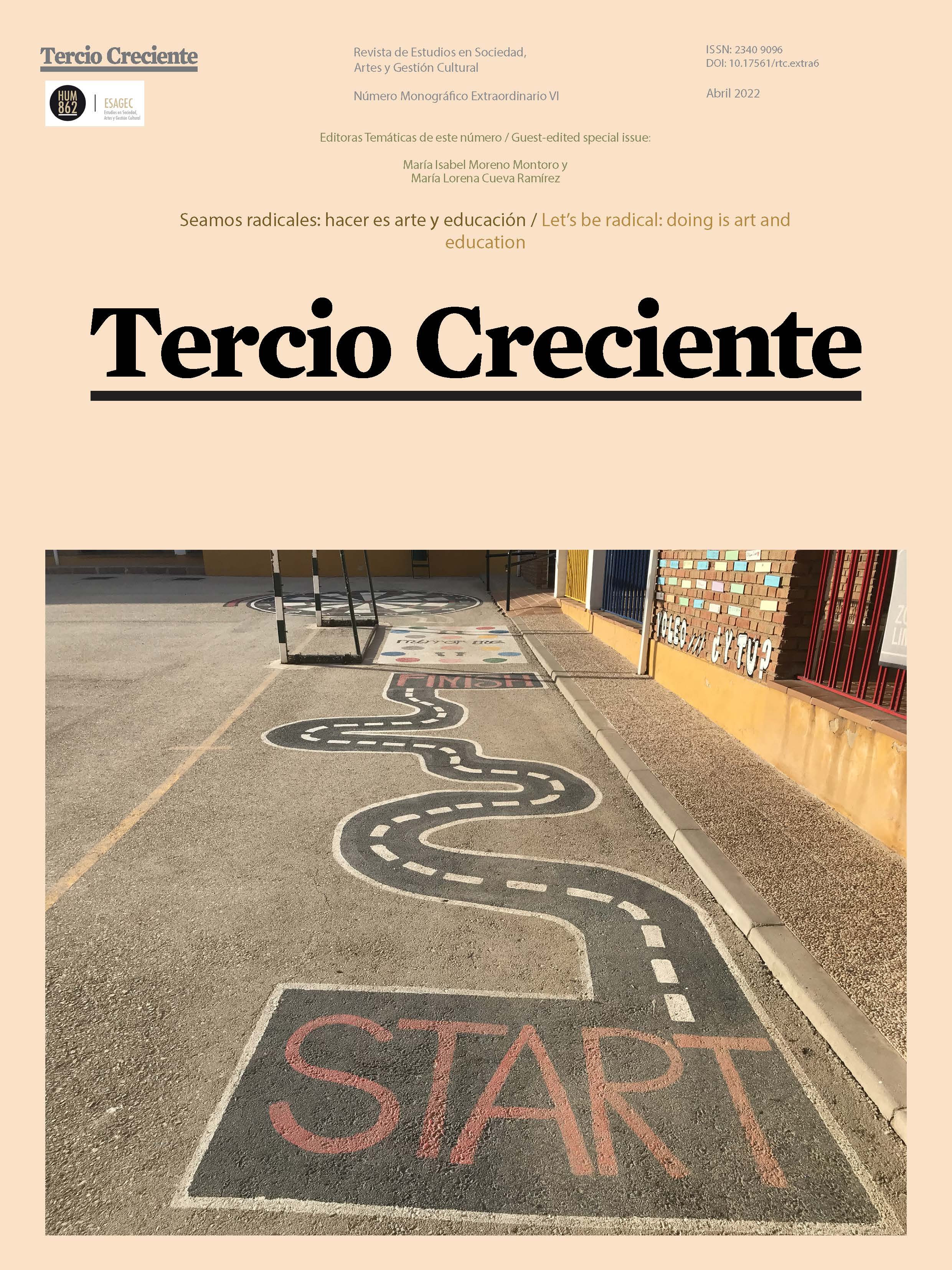
El siguiente paso fue ir a descubrir los espacios abiertos de la propia estructura de la escuela, en particular los patios, las escaleras, las terrazas; a continuación, se entrenó a los niños para que siguieran las flechas y los números que conducen a los distintos entornos, que son portadores de mensajes y direcciones que hay que leer y descifrar como un mapa de piratas cuyo tesoro final es el conocimiento.
Una vez en la cima, el grupo de niños y niñas se encontró inmerso en la maravilla de la ciudad, contemplando los cuatro horizontes que les rodeaban: el Vesubio, San Martino, los barrios españoles y la gran cúpula.
Descargas
Referencias
Bonfiglioli, R., Volpicella A., 1992, Manuale di didattica per la scuola materna, Editori Laterza, Bari.
Ceppi, G. Zini, M., 1998, Bambini, spazi, relazioni-metaprogetto di ambiente per l’infanzia, Reggio Children e Comune di Reggio, Reggio Emilia.
Hoyuelos, A., 2004, “Sai che io spero che...” Il futuro della pedagogia di Loris, Bambini, 20(2), 10-14.
Malaguzzi, L., 2010, I cento linguaggi dei bambini. L’approccio di Reggio Emilia all’educazione dell’infanzia, Edizioni Junior, Bergamo.
Močinić S., Moscarda C., 2016, L’ambiente Come Fattore Di Apprendimento Nella Scuola Dell’infanzia, Studia Polensia, 5.
Rinaldi, C., 1998, The Space of Childhood, in Ceppi, G. e Zini, M. (eds.), Children, spaces, relations. Metaproject for an environment for young children, Reggio Children, Reggio Emilia.
Publicado
Número
Sección
Licencia
Derechos de autor 2021 Michela Fabbrocino

Esta obra está bajo una licencia internacional Creative Commons Atribución 4.0.
Aquellos autores/as que tengan publicaciones con esta revista, aceptan los términos siguientes:
- Los autores/as conservarán sus derechos de autor y garantizarán a la revista el derecho de primera publicación de su obra, el cuál estará simultáneamente sujeto a la Licencia de reconocimiento de Creative Commons que permite a terceros compartir la obra siempre que se indique su autor y su primera publicación esta revista.
- Los autores/as podrán adoptar otros acuerdos de licencia no exclusiva de distribución de la versión de la obra publicada (p. ej.: depositarla en un archivo telemático institucional o publicarla en un volumen monográfico) siempre que se indique la publicación inicial en esta revista.
- Se permite y recomienda a los autores/as difundir su obra a través de Internet (p. ej.: en archivos telemáticos institucionales o en su página web) antes y durante el proceso de envío, lo cual puede producir intercambios interesantes y aumentar las citas de la obra publicada. (Véase El efecto del acceso abierto).
En caso de ser aceptados, los trabajos se publicarán bajo licencia Creative Commons.