Learn to look
DOI:
https://doi.org/10.17561/rtc.extra4.5745Keywords:
Active learning, Visual learning, Photography, Visual language, Teacher trainingAbstract
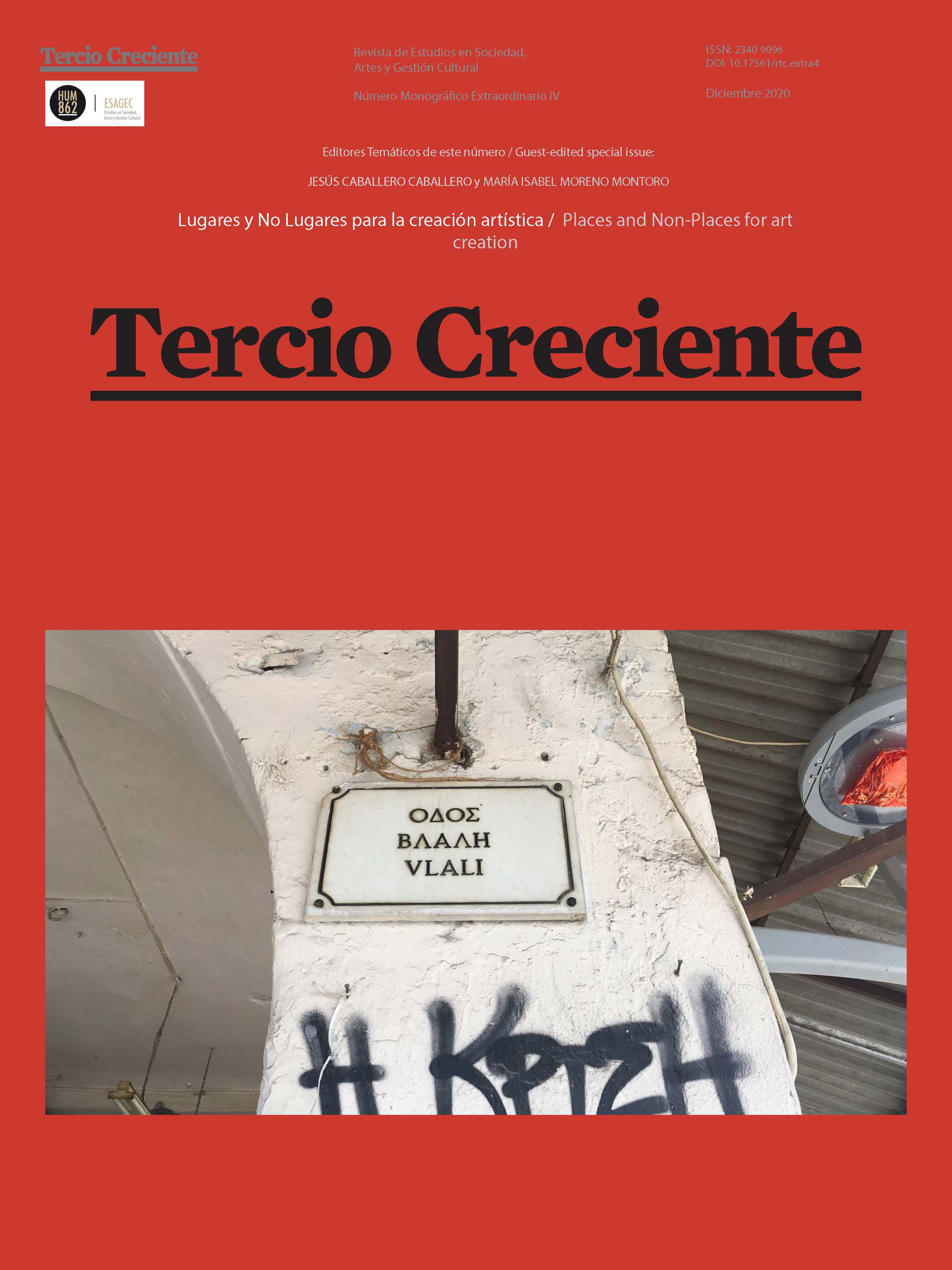
It is a collaborative photo-essay of a pedagogical artistic experience in the period of Covid 19 Spain confinement.
The objectives coincide with the general ones of Spanish Early Childhood Education Law and contribute to developing important skills in the teachers training.
The creative and artistic project allows connecting with spirituality like the essence of the human being. It is an approach to the imperfect beauty, the incomplete, the changing, it reveals the value of what is modest and humble so important in education.
The result respond to the starting questions: Can you teach to look? How do you learn to look? In other cultures, do you look the same way? How do you look at it in childhood? What and how do you learn? The experience highlights active learning, the value of error, sensitivity, beauty, acceptance of the imperfect, the path as a goal in the construction of learning and life for happiness. You only teach what you are. You only learn what you live.
Downloads
References
Koren, L. (2018) Wabi-Sabi para Artistas, Diseñadores, Poetas y Filósofos. Sd. Edicions
Barthes, R. (1994) La Cámara Lúcida. Nota sobre la fotografía. Ediciones Paidós.
Downloads
Published
Issue
Section
License
Those authors who have publications with this magazine, accept the following terms:
The authors will retain their copyright and will guarantee to the journal the right of first publication of their work, which will be simultaneously subject to the Creative Commons Attribution License that allows third parties to share the work whenever their author is indicated and its first publication is this journal.
Authors may adopt other non-exclusive license agreements to distribute the version of the published work (eg to be deposited in an institutional telematic file or published in a monographic volume) provided the initial publication is indicated in this journal .
Authors are encouraged to disseminate their work via the Internet (eg in institutional telematic files or on their website) before and during the submission process, which can produce interesting exchanges and increase the number of citations of the published work..
In case of being accepted works will be published under Creative Commons license.